

What Is the Porcine Zona Pellucida (PZP) Vaccine and How Does It Work?
A non-cellular membrane known as the zona pellucida (ZP) surrounds all mammalian eggs. The ZP consists of several glycoproteins (proteins with carbohydrates attached), one of which, ZP3, is the sperm receptor (the molecule which permits attachment of the sperm to the egg during the process of fertilization).
The PZP (Porcine Zona Pellucida) vaccine is derived from the ZP protein from porcine ova. PZP is produced by a complex process whereby the ZP is removed from the ovum, the glycoproteins are extracted, isolated, and converted into a vaccine. The PZP is emulsified with an adjuvant which stimulates the animals’ immune system.
When this vaccine is injected into the muscle of the target female animal, it stimulates her immune system to produce antibodies against the vaccine. These antibodies also attach to the zona pellucida (sperm receptor) of the female’s own eggs, distorting their shape and thereby blocking fertilization. In this adaptive system, immunological memory is developed which allows booster inoculations to incite a vigorous reaction and activate an immune response that blocks fertilization again in successive treatments.
The PZP vaccine is usually given in a series of 2 vaccinations, 2-6 weeks apart, and then a booster every 8-12 months, depending on the species.
To achieve effective PZP contraception, the initial treatment should be consistent with the seasonal pattern of reproduction for the individual species.
For species with a well-defined and short (2-3 months or less) breeding season , a minimum of two inoculations should be given during the first year of treatment. The first inoculation (primer) can be given any time of the year but the second inoculation must be given 1-2 months prior to breeding activity but no sooner than 2 weeks following the primer dose.
Until data are obtained that suggest otherwise, single annual booster inoculations may be given during subsequent years in some species. In year-round breeders, evidence indicates that booster inoculations should be given every seven to eight months (see Frank et al. 2005).
The standard dose of PZP antigen for animals is 100 µg of protein in phosphate buffered saline or sterile water. This dose may be adjusted downward for some species and will be determined prior to administration.
What is PZP-22* and How is it Different?
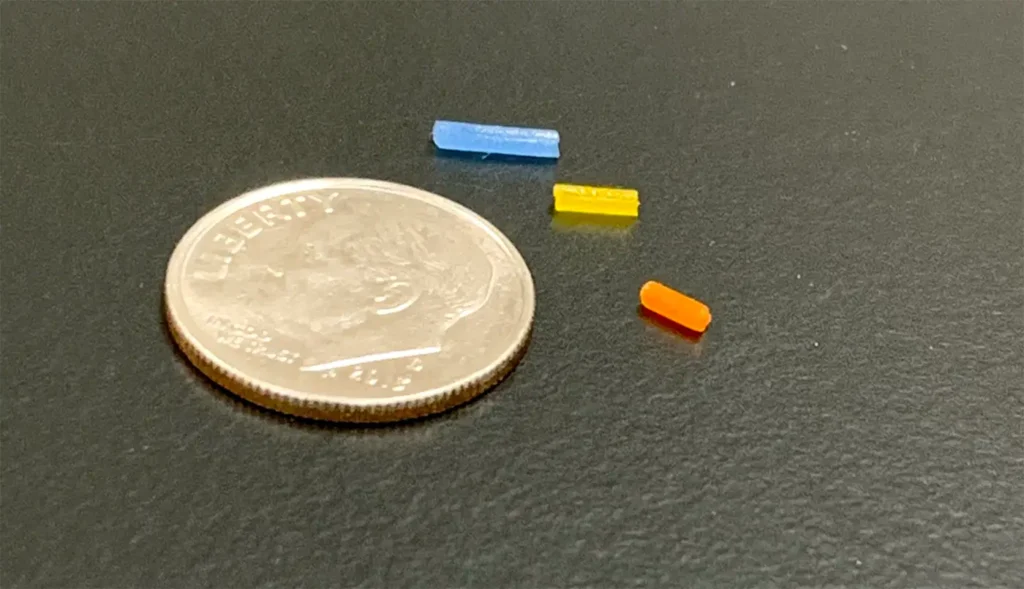
PZP-22 is a long-acting formulation of PZP vaccine and includes a liquid emulsion dose of native PZP vaccine with an adjuvant (to stimulate a strong immune response), with three small slow-release pellets that can be given in a single shot.
The liquid emulsion dose of PZP included in PZP-22 acts as a primer vaccine and the timed-release PZP pellets are designed to release PZP at 1 month, 3 months, and 12 months, simulating booster vaccines and eliminating the need for someone to give boosters at two weeks and then again yearly (as is required with ZonaStat-H).
Consequently, the term PZP-22 includes the timed-release PZP pellets and the liquid emulsion dose of native PZP (ZonaStat-H).
Key Facts
*If you have previously received the training for PZP, please contact Kayla Grams ([email protected]) to discuss an add-on training specific for PZP-22.
| 1-month pellet | 3-month pellet | 12-month pellet | |||
| PZP | Adjuvant (mFCA) | PZP + Adjuvant* | PZP + Adjuvant* | PZP + Adjuvant* | |
| Native PZP (ZonaStat-H) | X | X | |||
| PZP-22 | X | X | X | X | X |
*The adjuvant (an immune system stimulator) used in the timed-release pellets of PZP-22 is called QA-21.
The timed-release pellets contained in PZP-22 are made of unique biodegradable polymers that are specially designed to dissolve in the body at 1-month, 3-months, or 12-months, respectively, releasing PZP and adjuvant (QA-21) into the horse at these particular times and acting as booster vaccine shots.
PZP-22 has been demonstrated to be effective with hand-injection and field dart delivery (Rutberg et al. 2017, Carey et al. 2019). PZP-22 utilizes a unique dart equipped with an internal trocar and plunger that pushes the small pellets and liquid dose of native PZP into the muscle of the target animal. The dart needle is specially designed with 2-3 side ports to allow the liquid emulsion to be delivered quickly. When PZP-22 is delivered by hand, the liquid emulsion and pellets can be injected together (as with the dart system), or the pellets and liquid emulsion can be delivered from separate syringes (two separate injection locations). Like native PZP vaccine (ZonaStat-H) protocols, the initial treatment should be administered prior to the breeding season (in seasonally breeding animals). For horses, this ideal contraception window is December-March. After a single injection of PZP-22 we found 75% efficacy the first year and 40% efficacy the second year (Rutberg et al. 2017, Turner et al. 2008).
Based on research done in horses and deer, administering a single PZP booster 2-3 years after the initial PZP-22 treatment reduces fertility by 66-90% for three or more additional years. Boosters of native PZP vaccine or PZP-22 yield similar rates of fertility suppression, so PZP-22 followed by a native PZP booster vaccine (ZonaStat-H) 2-3 years later offers at least 5-6 years of effective contraception (Rutberg et al. 2017, Carey et al. 2019, Grams et al. 2022) Consequently, the SCC recommends a treatment protocol of the initial dose of PZP-22 (including the liquid emulsion dose of native PZP/ZonaStat-H), administered immediately prior to the breeding season, and a booster dose of native PZP vaccine (ZonaStat-H) administered no earlier than 2 years after the PZP-22 dose, based on currently available research.
As with native PZP vaccine (ZonaStat-H or ZonaStat-D), applicator training through The Science and Conservation Center is required. This three-day hands-on contraceptive certification is typically offered monthly March-October. Please see the training calendar and the training application for more information. Additionally, a pesticide applicators license is required through your state agency which represents the EPA (e.g. in Montana it is the Montana Department of Agriculture) prior to receiving shipments or applying the PZP-22 vaccine to wild equids.
Humane World for Animals (previously known as Humane Society of the United States) is working collaboratively with the SCC to apply for EPA (Environmental Protection Agency) Registration. All key ingredients used in PZP-22 are already either FDA Approved or EPA Registered, but because this is a new combination of components, a new EPA application required. Currently, we are compiling the data to submit the application package. We anticipate EPA Registration around the middle of 2028, although this date is subject to change.
If you are interested in utilizing PZP-22 and you want to receive updates on the registration progress, please contact Dr. Melissa Esser at the Science and Conservation Center ([email protected]) or +1 (406) 652-9718).
Upon EPA Registration, if ordering from within the U.S., you may order PZP-22 through the website (www.sccpzp.org), phoning+1 (406) 652-9718 or emailing [email protected]. For international orders please contact Kim Frank or Dr. Melissa Esser for shipping information.
*We recommend consultation with the SCC to discuss the best protocol for your situation. Please call +1 (406) 652-9718 or email [email protected].
When will PZP-22 become registered with the EPA?
We are currently in the process of putting together the information necessary for the application package for EPA registration. Based on our current timeframe, we anticipate registration status around the middle of 2028. However, these dates are subject to change.
Can PZP-22 be field darted?
Yes, PZP-22 has been successfully delivered remotely (via dart projector) to horses in Sand Wash Basin, CO and Jarita Mesa, NM along with deer in Hastings-on-Hudson, NY. PZP-22 utilizes a unique dart equipped with an internal trocar and plunger that pushes the small pellets and liquid dose of native PZP into the muscle of the target animal.
Do I need to use a second dose of PZP-22 as the booster?
No, research in the Cedar Mountains, UT and Sand Wash Basin, CO demonstrated that boosting horses that received PP-22 with native PZP vaccine yielded similar results as a booster with PZP-22. So, an initial treatment of PZP-22 (including the liquid emulsion native PZP vaccine) followed by a native PZP (ZonaStat-H) booster 2-3 years later offers at least 5-6 years of effective contraception over a 7-year period.
How long does PZP-22 last?
Initial field trials of PZP-22 in wild horses at Clan Alpine HMA showed fertility reductions of 90% in Year One, 75% in Year Two, and a full return to fertility in Year Four after one single dose of PZP-22. Follow up trials in Utah and Colorado yielded more variable fertility reduction after a single dose of PZP-22, however after administration of a single booster dose 2-3 years after initial treatment reduces fertility by 60-90% for three or more additional years which offers at least 5-6 years of effective contraception over a 7-year period.
When does the booster need to be given after the first dose of PZP-22?
Based on research in Sand Wash Basin, CO and Cedar Mountains, UT boosters were administered at 2 years (Sand Wash Basin) and slightly more than 3 years in Utah. Therefore, our current protocol recommendations are to administer the booster no sooner than 2 years after the initial dose of PZP-22. However, as more data becomes available these recommendations may expand.
What time of the year should PZP-22 be given?
Research findings highlight the importance of appropriate timing of the initial dose of PZP-22 on fertility reduction. Therefore, consistent with native PZP vaccine (ZonaStat-H) protocols, the initial treatment should be administered immediately prior to the breeding season (in seasonally breeding animals). For horses, this ideal contraception window is December-March.
How do I learn how to administer PZP-22?
As with native PZP, applicator training through the Science and Conservation Center is required. This three-day hands-on contraceptive certification is typically offered monthly March-October. Please see the training calendar and training application for more information.
*If you have previously received the training for PZP, please contact Kayla Grams ([email protected]) to discuss an add-on training specific for PZP-22.
To receive email updates, SCC quarterly newsletters and Annual Reports, please complete this form:

Location: Africa
Population: 415,000
African elephants possess remarkable communication abilities. They employ various vocalizations like trumpets, roars, and rumbles to convey different messages within their herd. Alongside vocal cues, they also utilize body language, such as ear movements and trunk gestures, to express themselves. Among these, the low-frequency rumbles stand out, capable of traveling over long distances, playing a pivotal role in facilitating long-distance communication among these intelligent and sociable creatures.
